An Innovative Strategy for Early Autism Support
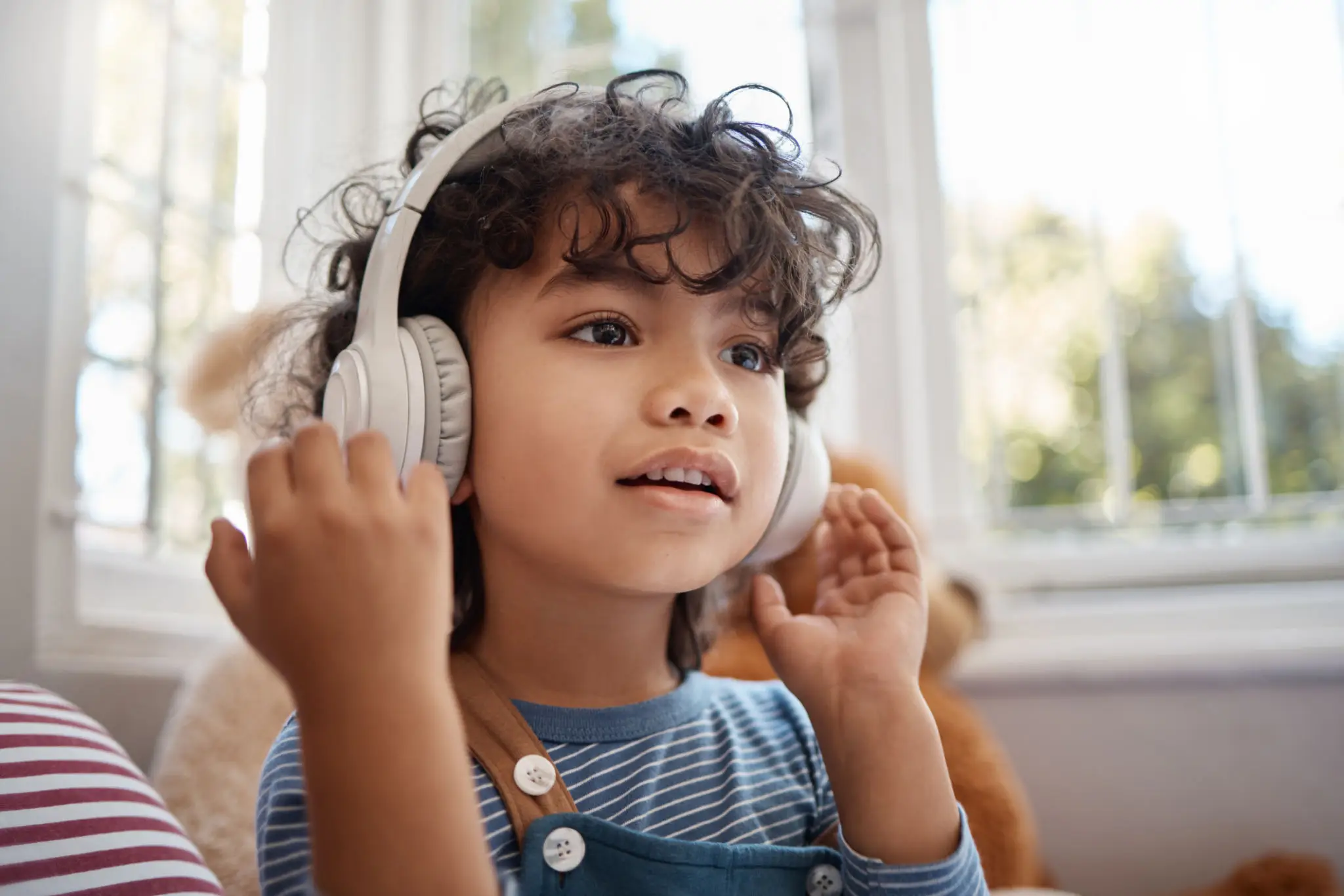
An initial hallmark of autism is the lack of engagement with parents, often manifested through limited eye contact and the absence of imitation or facial expressions, such as smiling. Additionally, heightened sensory sensitivities can make physical contact uncomfortable for autistic children, leading to challenges in comforting them. As a result, emotional engagement may not come naturally to autistic infants and children.

Specially Designed Products
Our products are specially designed to help you, the parents, engage with and teach your child. Each media book, song, and character is original and tailored to meet your child’s unique needs.
Recognizing that limited attention has been given to supporting parents of autistic infants and children in developing language and nurturing early, critical bonds, Autistic International has created activities and learning tools to address this need. These resources are intended to help parents engage their children throughout infancy and early childhood.
Importantly, children without autism can also enjoy our products, making them inclusive for all.
Using song and Melody to Learn Vocabulary
Disclaimer: This content is for informational purposes only and does not constitute medical or therapeutic advice.
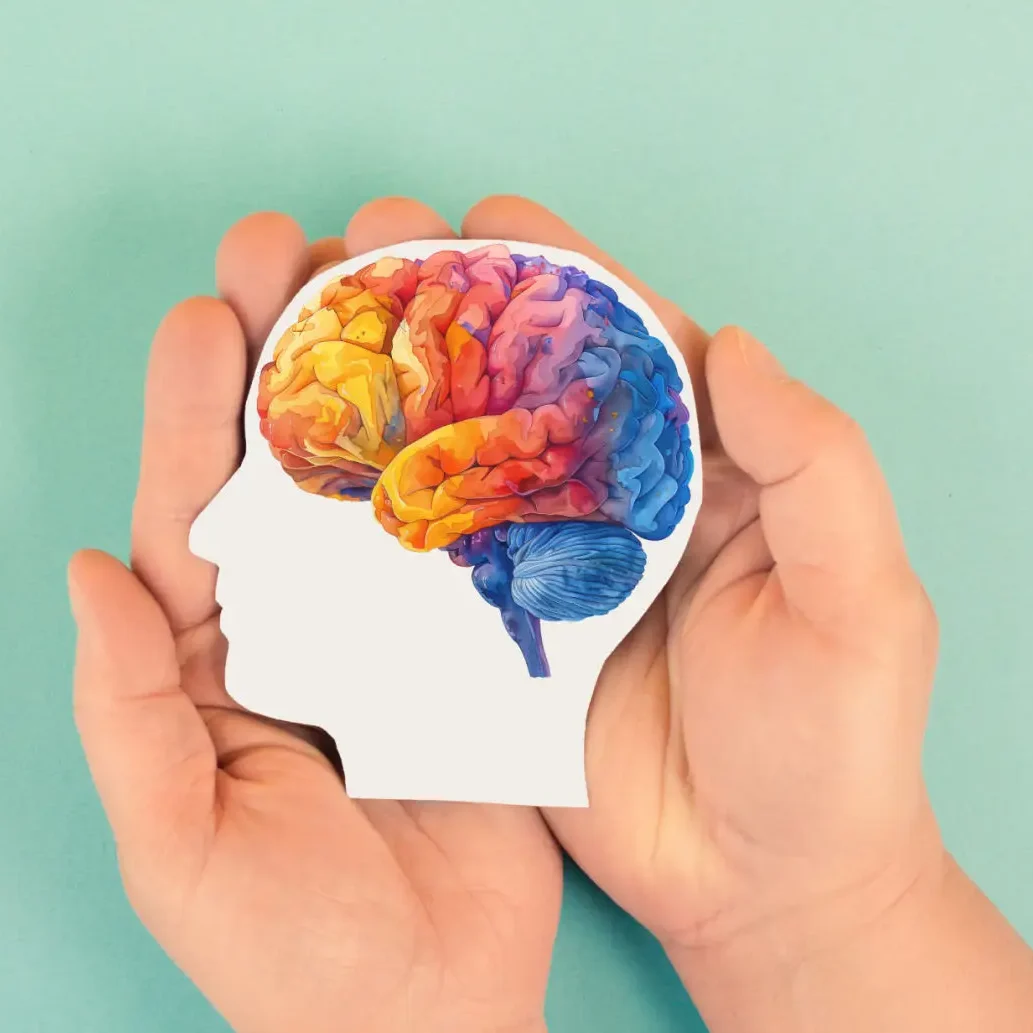
Some research suggests that children with autism may process sung words differently — and sometimes more effectively — than spoken words. While this doesn’t mean they can never understand speech, music and lyrics can sometimes activate the brain in unique ways that support language engagement
Neuroimaging studies indicate:
- Children with ASD may show less activation in left-hemisphere language areas when listening to spoken words.
When those words are sung, these brain areas are often more active, sometimes matching the engagement seen in typically developing children.
Takeaway: Sung words may tap into intact or alternative neural pathways that spoken language alone may not engage. (Lim, 2010)
Studies show that melodic, song-like instructions can:
- Improve engagement
- Increase social responses (like eye contact or gestures)
- Enhance task performance
These effects are most noticeable in small groups of children and structured settings.
Example: A child may follow directions more consistently when instructions are sung to a familiar melody rather than spoken. (Yang & Zhang, 2025)
- Children with ASD may process spoken words, but music with lyrics may also support language tasks more effectively or comfortably.
- Research often involves small samples or task-specific studies, so results may not apply universally.
- Children with ASD may have differences in phonological processing, affecting how speech sounds are perceived. (Navarro et al., 2025)
-
Many children respond positively to rhythm and melody, and song can serve as a bridge for language engagement, complementing and providing a foundation for traditional speech-based approaches.
Tip: Incorporate music into daily routines to make language learning more engaging and enjoyable.
- Lim, H. A. (2010). Effect of "developmental speech and language training through music" on speech production in children with autism spectrum disorders. Journal of Music Therapy, 47(1), 2–26. https://doi.org/10.1093/jmt/47.1.2
- Yang, J., & Zhang, R. (2025). Melodic Bridges: Music intervention as a catalyst for social skills development in preschool children with autism. Frontiers in Psychology, 16, 1542662.
- Navarro, L., Mallah, N. E. Z., Nowak, W., Pardo-Seco, J., Gómez-Carballa, A., Pischedda, S., Martinón-Torres, F., & Salas, A. (2025). The effect of music interventions in autism spectrum disorder: A systematic review and meta-analysis. Frontiers in Integrative Neuroscience, 19, 1673618. https://doi.org/10.3389/fnint.2025.1673618